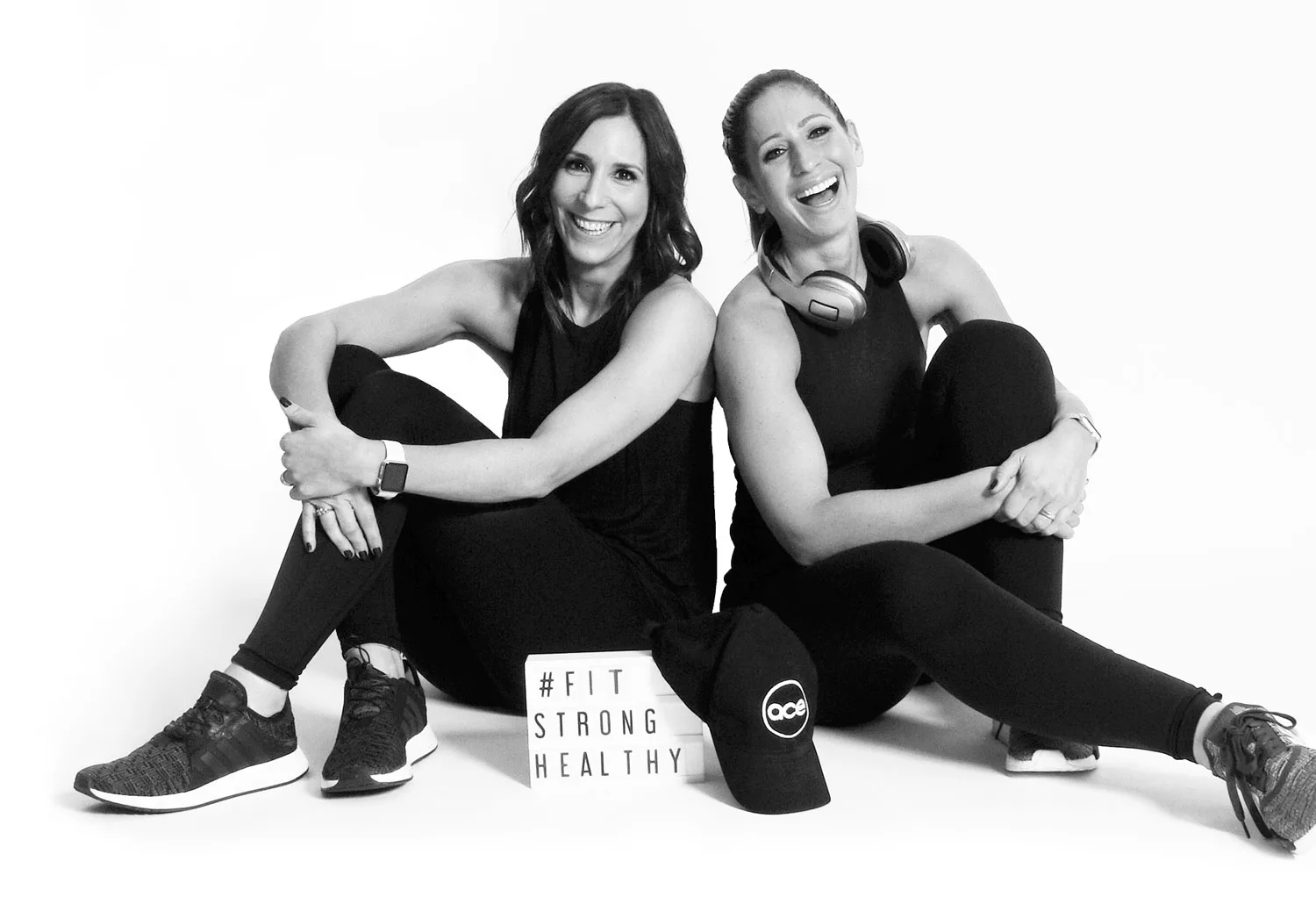
How to Choose the Right Personal Trainer in London (Without Wasting Your Money)
The average client gives up on a new PT in four sessions. Here's how to pick one who'll still be your trainer in twelve months, without wasting your money.
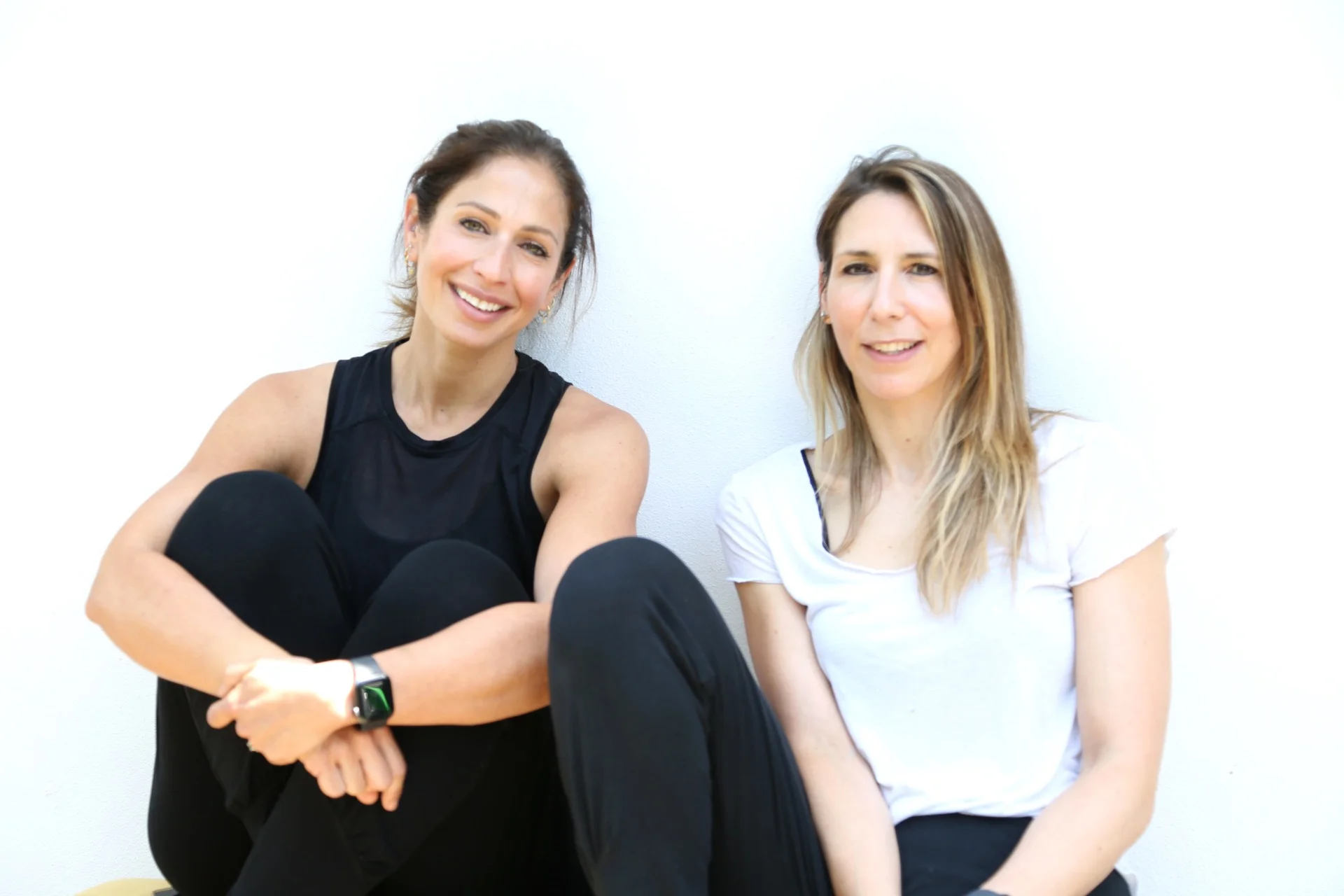
By Anna & Charlotte · MNU-Certified Nutritionists · Level 3 Personal Trainers
Published 3 May 2026 · Updated 13 May 2026
TL;DR
The average personal trainer-client relationship lasts about four sessions before someone gives up, almost never because the client wasn't trying. Choosing a PT in London who'll still be your trainer in twelve months means looking for movement screening, defined specialism, programme philosophy, and a coach who adjusts when life intrudes rather than blaming your discipline. Pricing typically sits between £55 and £95 per session.
Key takeaways
- A first session should include a movement screen, not just 'let's see what you can lift'
- Specialist credentials (MNU-certified nutrition, ante/post-natal, women 40+ experience) matter more than Level 3 alone
- Pricing for 1:1 PT in London typically sits between £55 and £95 per session, with experienced female specialists in the £65-£85 range
- Red flag: any PT whose answer to obstacles is 'you just have to be disciplined'
- Online coaching is a legitimate alternative for women outside London or on busy schedules
Finding the right personal trainer can be one of the best investments you make in your health.
Or one of the most frustrating.
Because if you've ever worked with a PT before, you'll know that not all coaching experiences are equal.
Some people find a trainer they love and stay with for years.
Others leave after a few sessions feeling like personal training just "isn't for them."
In our experience, that usually isn't because the client wasn't committed.
It's because the fit wasn't right.
The programme felt generic.
The coaching didn't feel personal.
Life got busy and there was no flexibility.
Or the whole thing simply didn't feel worth what they were paying.
If you're looking for a personal trainer in London, here's what we'd suggest paying attention to before you commit.
What should a good personal trainer do in your first session?
A first session shouldn't just be a workout.
It should help both of you decide whether the coaching relationship makes sense.
Here's what a good PT should be doing.
1. Watch you move before they load you
A good trainer should assess movement before jumping straight into hard exercise.
That doesn't need to mean a formal clinical assessment.
But they should be paying attention to things like:
- movement patterns
- mobility
- balance
- posture
- previous injuries
- how confident you are moving
If session one is simply "let's smash a workout and see what happens," that's not necessarily great coaching.
Good programming starts with understanding where you are now.
2. Ask about your real life, not just your goals
If a trainer only asks:
"What do you want to achieve?"
but never asks about:
- work
- schedule
- family commitments
- sleep
- stress
- previous exercise experience
- nutrition habits
...they're missing important information.
Because a programme that looks perfect on paper can still be completely unrealistic in real life.
The best coaches programme around your life, not the other way round.
3. Be able to explain their coaching philosophy
This sounds obvious, but it matters.
Ask:
"How do you normally coach clients?"
A good trainer should be able to explain:
- how they structure training
- what they prioritise
- how progression works
- what success looks like
It doesn't need to be complicated.
But clarity matters.
If the answer is vague, inconsistent, or feels made up on the spot, that's worth noting.
4. Give you a sense of the bigger picture
A personal trainer isn't just selling workouts.
They're selling coaching.
Which means there should be a plan beyond today's session.
You should come away understanding:
- how often they'd recommend training
- what the general structure looks like
- how progression happens
- how they adapt things if life gets busy
You don't need a 12-week spreadsheet on day one.
But you should feel like there's thought behind the process.
5. Set realistic expectations
Be cautious of anyone promising dramatic transformation in unrealistic timeframes.
Good coaching is honest.
Progress depends on:
- consistency
- training history
- recovery
- nutrition
- sleep
- lifestyle
The right trainer should help you set realistic expectations, not sell fantasy.
Questions to ask before booking a personal trainer
If you're speaking to a trainer before committing, these are worth asking.
What qualifications do you have?
At minimum in the UK, a personal trainer should hold a recognised Level 3 PT qualification.
Beyond that, specialist education matters depending on your goals.
Examples:
- evidence-based nutrition qualifications
- pre/postnatal qualifications
- rehab-focused training
- strength coaching
- experience with women in midlife
Qualifications aren't everything.
But they do matter.
Who do you work best with?
This is one of the most revealing questions.
A strong coach usually knows exactly who they help best.
For example:
- women 40+ wanting to get stronger
- postnatal return-to-exercise clients
- busy professionals
- injury return clients
If the answer is:
"I work with everyone."
That's not automatically a red flag.
But specialists often deliver stronger coaching for specific needs.
What happens when life gets in the way?
This might be the most important question.
Because life will get in the way.
Ask:
- what happens if I miss sessions?
- what if work gets busy?
- what if my sleep is poor?
- what if I go away?
The answer should involve flexibility.
Not judgement.
How do you measure progress?
A scale can be one metric.
But it shouldn't be the only one.
Good coaching may also track:
- strength
- movement quality
- body composition
- confidence
- energy
- adherence
- consistency
Progress is bigger than body weight.
Red flags to watch for
Everything feels generic
If the programme feels identical to what everyone else gets, that's worth questioning.
Personal training should feel personal.
The answer is always "discipline"
Discipline matters.
Of course it does.
But if every obstacle gets met with:
"You just need to be more disciplined."
That's not particularly nuanced coaching.
Good trainers help you work around real life.
Pressure to commit immediately
Discounts for block bookings? Normal.
Pressure to sign up before you've had a proper conversation? Less ideal.
A confident coach doesn't need pressure tactics.
No questions about your history
If they don't ask about injuries, experience, goals, or lifestyle?
That's concerning.
How much does personal training cost in London?
Pricing varies hugely depending on:
- location
- trainer experience
- specialism
- setting
- session length
London personal training is typically more expensive than elsewhere in the UK.
But cheapest isn't always best value.
The better question is:
Does this feel like coaching, or just supervised exercise?
Because good coaching is worth paying for.
Is online coaching a good alternative?
For many people, yes.
Online coaching works particularly well if:
- you travel
- your schedule is unpredictable
- you're outside London
- you prefer flexibility
- you don't need in-person sessions
The key is structure and accountability.
Good online coaching shouldn't feel like being sent a PDF and left alone.
The bottom line
The right personal trainer won't just make you sweat.
They'll help you train consistently, confidently, and in a way that actually fits your life.
That means looking beyond:
- flashy social media
- extreme transformations
- generic promises
And asking:
Does this coach actually feel like the right fit for me?
Because the best programme in the world won't work if the coaching relationship doesn't.
If you're specifically a woman 40+
We've written a deeper guide here: Female Personal Training in NW London for Women 40+: What to Look For. And if you want to know what the hour itself looks like, we've set that out in what a one to one personal training session actually involves.
Frequently asked
How often should I see a personal trainer?
It depends on your goals, your budget, and how much you can train on your own. For most people new to structured training, one or two sessions a week with a PT plus one or two solo sessions following the programme they've written you is the sweet spot: enough coaching to keep form and progression honest, enough independent work to build the habit. Three sessions a week with a PT is usually overkill unless you're rehabbing or preparing for something specific.
What's better, online or in-person personal training?
Honest answer: it depends on what you need. In-person wins on movement coaching, form correction, and the first ten or so sessions of working with a new coach. Online wins on consistency, cost, daily check-ins between sessions, and convenience for anyone with a busy schedule or outside a major city. Most of our long-term clients move into a hybrid pattern after the first couple of months: in-person every other week, online check-ins between, or fully online once form is grooved.
What if my PT is a man? Does that matter?
Honest answer: sometimes, often not. A male PT who's specifically trained to work with women in mid-life, who understands the hormonal and recovery realities, who can coach without making the room feel like someone else's territory, is a great PT. The numbers favour finding a female specialist for women 40+ work: fewer translation barriers, more same-stage life experience, a room dynamic that usually just removes a layer of friction. But the right male PT is better than the wrong female one. Ask the qualification question and the 'who do you work best with' question. The answer tells you more than the gender does.
How long until I see results?
Foundation in the first four to six weeks. Visible adaptation by eight to twelve. Compounding gains beyond that. Energy and sleep usually improve before the scale moves, which is the early signal the work is doing its job. Anyone promising 'transformed in 12 weeks' is either guessing or selling.
What if I don't enjoy it?
Tell your trainer in week two. A good PT will adjust the programme. Different lifts, different format, different pace. If they don't, or if you've told them and nothing changed, that's a fit problem. There are PTs out there who will make training feel like the part of your week you look forward to. If yours isn't, keep looking. The work has to be sustainable, and sustainable means you actually want to show up.