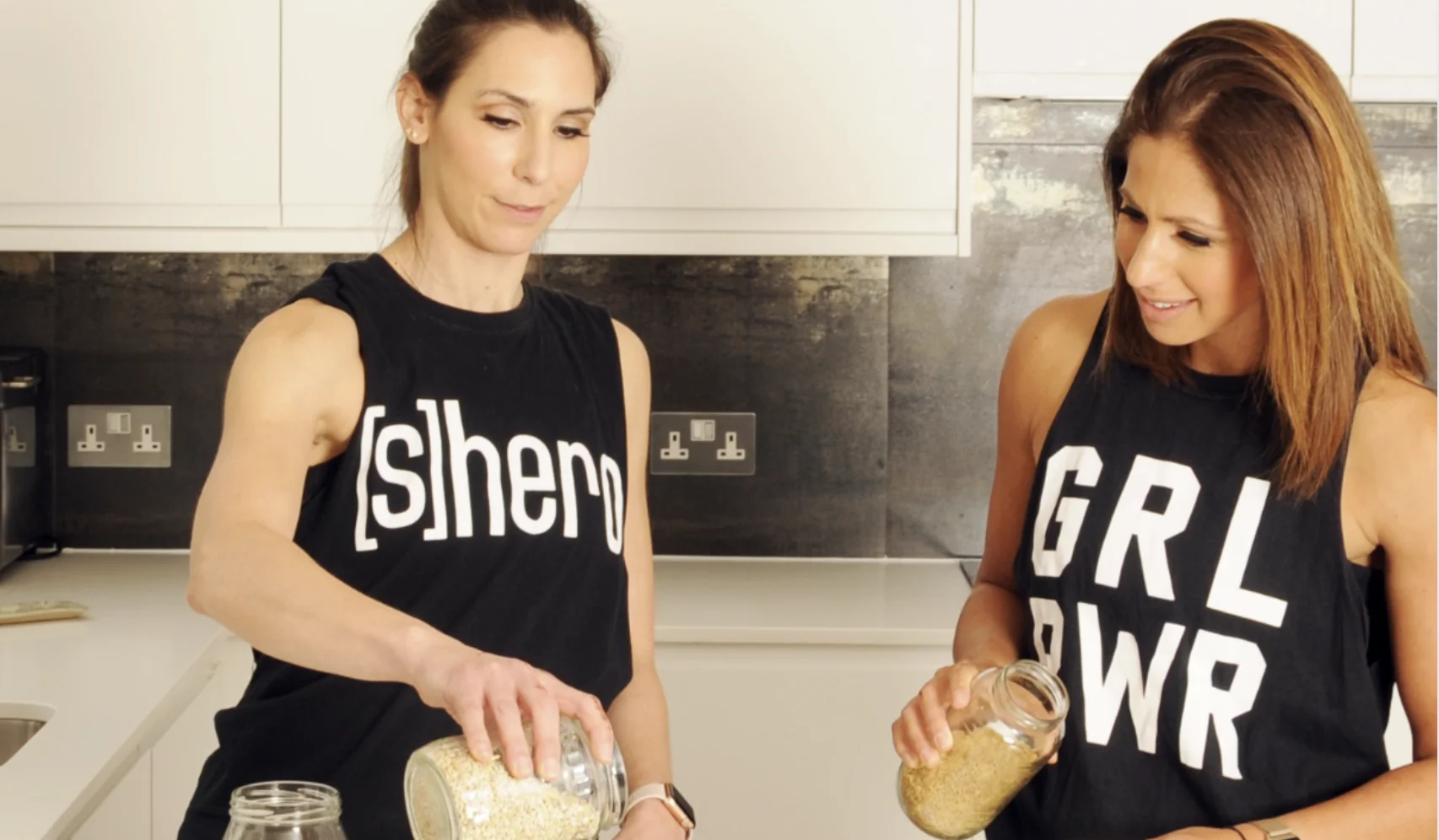
Why 30g of protein with every meal? The first aceRULE, honestly explained
It's the first of the aceRULES, and the one we bang on about most. Here's where the number actually comes from, why it matters more once you're past 40, and what 30g looks like on a real plate at breakfast.
By Anna & Charlotte · MNU-Certified Nutritionists · Level 3 Personal Trainers
Published 11 August 2026 · Updated 11 August 2026
TL;DR
30g is the first of the three aceRULES, and it isn't a round number we made up. Research in older adults puts the per-meal threshold for stimulating muscle protein synthesis at roughly 25 to 30g of good-quality protein, and spreading protein evenly across breakfast, lunch and dinner produces meaningfully more muscle protein synthesis over a day than saving it all for the evening. From your 40s onwards you're losing lean mass through the menopausal transition while your body responds less strongly to the protein you do eat, so the target goes up, not down. Practically: breakfast is where nearly every woman falls short, a pot of yoghurt on its own is about 12g, and the fix is usually one addition rather than a new diet.
Key takeaways
- The 30g figure comes from the per-meal threshold research in older adults: roughly 25 to 30g of good-quality protein per sitting, not a number we invented
- Spreading protein evenly across three meals produced about 25% more muscle protein synthesis over 24 hours than skewing it towards dinner
- Lean mass drops measurably across the menopausal transition, separately from ordinary ageing, which is why the target rises rather than falls in your 40s
- Protein keeps you fuller for longer and steadies blood sugar, so hitting it at breakfast makes the whole afternoon easier
- Breakfast is where almost every woman falls short. A pot of yoghurt is around 12g on its own, so it usually needs one addition, not a rethink
- You don't need shakes, six meals a day, or to weigh anything. Three meals that each land near 30g is the whole job
Ask any woman we coach what we say most and you'll get the same answer.
Protein.
It comes up most mornings in the group, usually over a photo of somebody's actual pan on their actual hob, because that's where the rule either happens or doesn't. Here's Anna explaining rule one to the women on the programme.
Morning all! We bang on about protein a lot! The reason is that, protein isn't just about building muscle (although yes, we want that). It keeps you fuller for longer, helps stabilise blood sugar (so fewer cravings), supports recovery from your training, and is key for maintaining strength and metabolism as we get older. If you nail protein consistently, everything else gets easier!
That's the rule. This is the reasoning underneath it, because "eat more protein" is advice you've heard a hundred times and a number you can actually aim at is a different thing entirely.
Three habits. Same three, every day. This post is about the first one.
- 01
30g of protein with every meal
- 02
500ml of water with every meal
- 03
No food after dinner
Where does the 30g figure actually come from?
It isn't a round number that sounded good.
Your body doesn't drip-feed muscle repair in proportion to every gram you eat. A meal has to clear a threshold before it meaningfully switches on muscle protein synthesis, the process that maintains and builds the muscle you've got. Below that threshold you're topping up, not triggering.
The threshold moves with age, and it moves the wrong way. The PROT-AGE position paper, a group of researchers who reviewed the evidence on protein needs in older adults, landed on roughly 25 to 30g of good-quality protein per meal to hit that anabolic threshold, noticeably more than a younger body needs for the same effect.
So 30g isn't ambitious. It's the working minimum for the job we're asking a meal to do.
Why does this matter more in your 40s?
Two things are happening at once, and they compound.
The first is that you're losing lean mass. A follow-up study of middle-aged Finnish women tracked women through the menopausal transition and found measurable drops in lean body mass, leg lean mass and thigh muscle size, and crucially found this was tied to menopausal status rather than just getting older. Your body composition is changing on its own schedule, whatever you do.
The second is that your muscle responds less strongly to the protein you eat than it did at 25. Same meal, smaller response.
Losing more, responding less. That's why the answer in midlife is to eat more protein, not less, and it's why so much general nutrition advice quietly fails women in their 40s. It was never written with this stage in mind.
It's not you. It's the approach you've been given.
There's a happier half to that. Muscle is the thing you have the most control over. You can't vote on your hormones. You can absolutely decide what lands on your plate at eight in the morning, and you can lift something heavy three times a week. Protein and strength training are the two levers that still work.
Why not just have a big dinner?
This is the most common version of the rule getting half-followed, and it's an easy trap. A light breakfast, a picked-at lunch, then a proper protein-heavy dinner. Add it up at bedtime and the day's total doesn't look bad at all.
The trouble is your muscle doesn't read daily totals.
Researchers fed healthy adults the same amount of protein two ways: spread evenly across breakfast, lunch and dinner at around 30g each, or skewed heavily towards the evening meal. Muscle protein synthesis over 24 hours was about 25% greater on the even pattern, and that advantage held after a week on each diet, so it wasn't a novelty effect.
Same protein. Same calories. Better result, purely from when it arrived.
That's why the rule is with every meal rather than per day. The distribution is doing real work. There's more on how this fits alongside carbs, fats and hydration in the nutrition guide for women over 40.
The bit that makes the rest of the day easier
The muscle argument is the one that matters longest. The satiety argument is the one you'll notice by Thursday.
Protein is the macronutrient that keeps you fullest for longest, and it steadies blood sugar, which takes the edge off the mid-afternoon dip where the biscuit tin starts making a case for itself. Anna's line covers it in a sentence: fuller for longer, fewer cravings.
Here's the thing we see constantly in the community. A woman starts hitting 30g at breakfast, and within a fortnight she stops describing 4pm as a battle. She hasn't developed willpower. She's stopped arriving at 4pm underfed.
That's the honest sell on this rule. It isn't about being strict. It's that a properly built breakfast makes the rest of the day require less of you.
What does 30g actually look like?
Rough numbers, and your packet will say something slightly different, but this is the shape of it.
Now the number that catches everyone out. A single 120g pot of yoghurt is around 12g of protein. It feels like a protein food, it's marketed as a protein food, and on its own it's about a third of a meal's worth. This is the exact conversation the coaches have in the group every week: your snack is fine, it's just smaller than you think, so add a couple of eggs.
That's the whole fix, most of the time. Not a new diet. One addition.
Breakfast is where it breaks
Lunch and dinner usually take care of themselves, because both tend to be built around something obvious: chicken, fish, mince, eggs.
Breakfast is different. Breakfast is toast eaten standing up, or a coffee and whatever's left in the kids' bowls, or nothing at all until eleven. It's also the meal you're most likely to skip when the morning goes sideways, which means the day starts with a deficit you then spend until dinner trying to make up.
If you can't face food early, don't force it. Liquid works. Getting close counts. Both coaches eat something high in protein and almost identical every single morning, not because they're disciplined by nature, but because a repeated meal is one fewer decision in a day already full of them.
"Isn't that a lot of protein for a woman?"
It's more than you're used to. That's a different thing.
The UK reference nutrient intake sits at 0.75g of protein per kilo of body weight a day, which for a woman of around 70kg comes out near 53g. That figure was set as the amount needed to stop you becoming deficient. It was never designed as the amount that protects lean muscle through perimenopause while you're strength training twice a week.
Three meals at 30g is 90g. For most women in their 40s and beyond who are training, that sits comfortably in the range the research on healthy older adults points to.
And if you've spent twenty years being told to eat less of everything, being told to eat more of something will feel wrong for a fortnight. That passes. A couple of weeks and it'll become second nature.
Where the rule sits in the bigger picture
30g of protein with every meal is one of three habits, and it's deliberately the first one. It's the one that does the most work, and it's the one that makes the other two easier to hold.
It's also, on purpose, not a diet. There's nothing to cut out here. No banned foods, no "good" and "bad" lists, no starting again on Monday. You're adding something to the plate and letting the rest of the meal arrange itself around it. That's a very different instruction from the ones most of us grew up with, and it's the reason it survives holidays, meals out and genuinely awful weeks. If you want the longer argument for structure over scripts, we've written about tracking calories versus meal plans too.
Anna and Charlotte are MNU-certified nutritionists and qualified trainers who've spent more than ten years coaching women through their 40s from Hendon and, these days, in more than a dozen countries. The aceRULES are what a decade of that has been distilled into. Three habits, not thirty.
Want a hand getting there?
The free 7-day meal plan is built around this rule, so every breakfast, lunch and dinner already lands near 30g. Read it as a worked example rather than a prescription, and steal the meals you'd actually eat.
If you'd rather do it alongside other women working on the same thing, the free aceLIFESTYLE community is where the daily protein conversation happens: what people are eating, what's working, and the "is this enough?" questions answered by an actual coach. No card, no commitment.
And if you want your own plan and a coach checking in with you, that's our 1-to-1 personal training, with a free discovery call first so you can decide with your eyes open. Here's what working with a nutrition coach in NW4 looks like week to week.
References
- Bauer J et al. Evidence-based recommendations for optimal dietary protein intake in older people: a position paper from the PROT-AGE Study Group. Journal of the American Medical Directors Association, 2013. PubMed
- Mamerow MM et al. Dietary protein distribution positively influences 24-h muscle protein synthesis in healthy adults. The Journal of Nutrition, 2014. PubMed
- Juppi H-K et al. Role of menopausal transition and physical activity in loss of lean and muscle mass: a follow-up study in middle-aged Finnish women. Journal of Clinical Medicine, 2020. PubMed
- British Nutrition Foundation. Protein. nutrition.org.uk
Frequently asked
Why 30g of protein and not 20g?
Because of how muscle actually responds. A meal has to clear a certain protein threshold before your body meaningfully switches on muscle protein synthesis, and that threshold is higher as you get older. The PROT-AGE group put it at around 25 to 30g of good-quality protein per meal for older adults, compared with less in young adults. Twenty grams isn't wasted, it just does less of the job. We use 30g because it clears the bar comfortably in most real meals without you needing a calculator.
Isn't 30g of protein at every meal a lot for a woman?
It sounds like a lot because most of us have been eating well under it, particularly at breakfast. Three meals at 30g is 90g a day, which for a woman around 70kg is comfortably in the range recommended for healthy older adults who are active. The UK reference intake of 0.75g per kilo was set as a minimum to prevent deficiency, not as the amount that supports muscle in midlife. It's a bigger number than you're used to, not a big number.
What if I can't face a big breakfast?
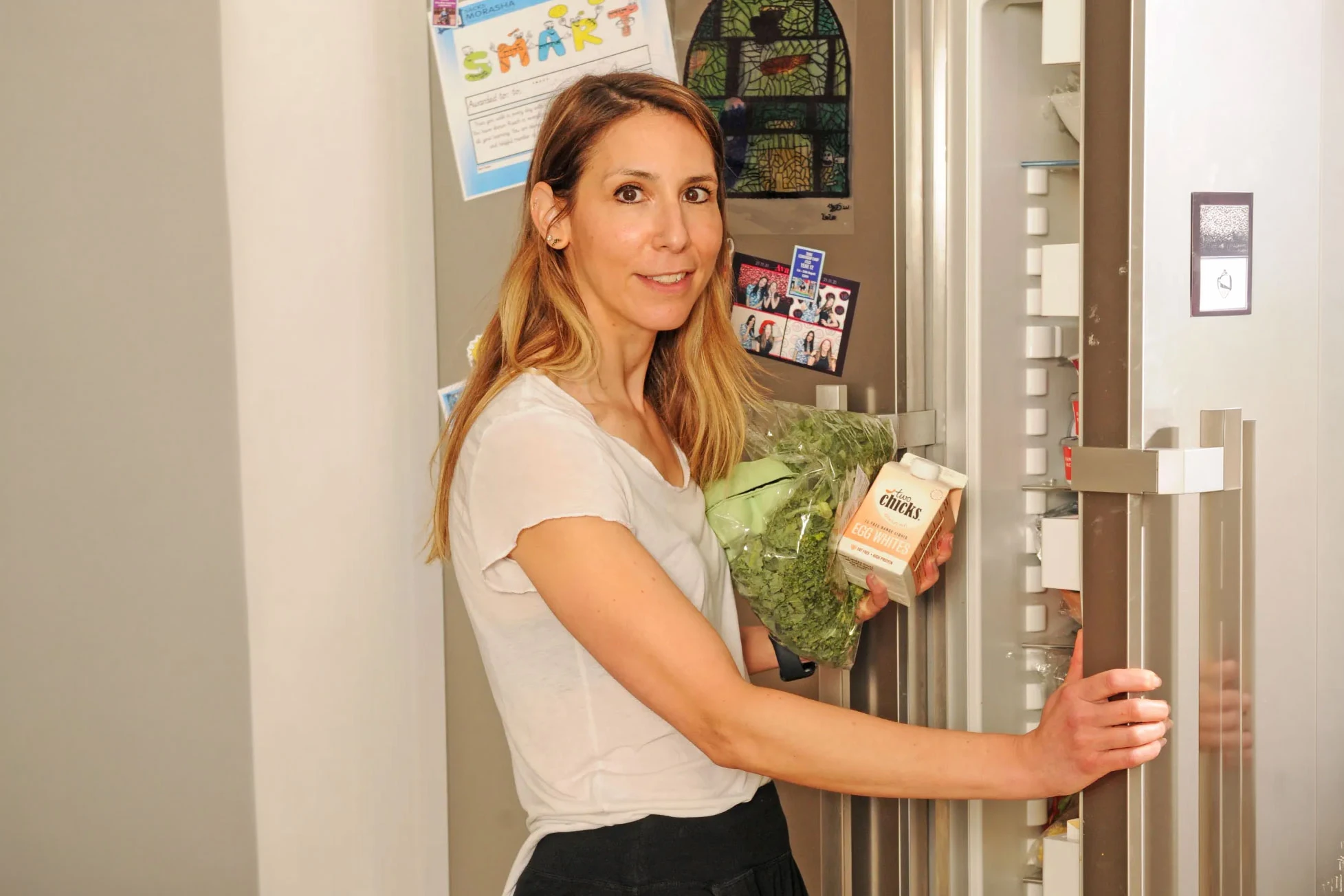
Then don't have one. Plenty of women genuinely aren't hungry first thing, and forcing a fry-up on yourself isn't the answer. Liquid usually works better: a shake with milk, or Greek yoghurt with a scoop stirred through. Egg whites and cottage cheese do the job for the coaches themselves. If you're still not managing it, get as close as you can, then make sure lunch actually lands. Something at breakfast beats nothing every time.
Do I need protein powder to hit 30g?
No. It's convenient, and plenty of women in the community use it, but it's a shortcut and not a requirement. Chicken, fish, eggs, dairy, tofu, pulses and lean mince all get you there. Powder earns its place on the mornings when there's no time and the alternative is a slice of toast on the way out. Use it when it helps, skip it when it doesn't.
Does this mean I have to cut carbs?
Absolutely not, and please don't. Carbs aren't the enemy and never were. The aceRULES add something to your plate rather than take things away. When you build a meal around the protein first, the rest of the plate usually sorts itself out without you banning anything. No food is off limits here.