Strength training for women over 40: where to start, and why it matters more now
For years women were sent to do cardio and eat less. In your 40s that advice quietly backfires. Anna and Charlotte on why strength training is the thing that matters most now, how to start without a fancy gym, and what it does for your bones, your hormones and the next thirty years.
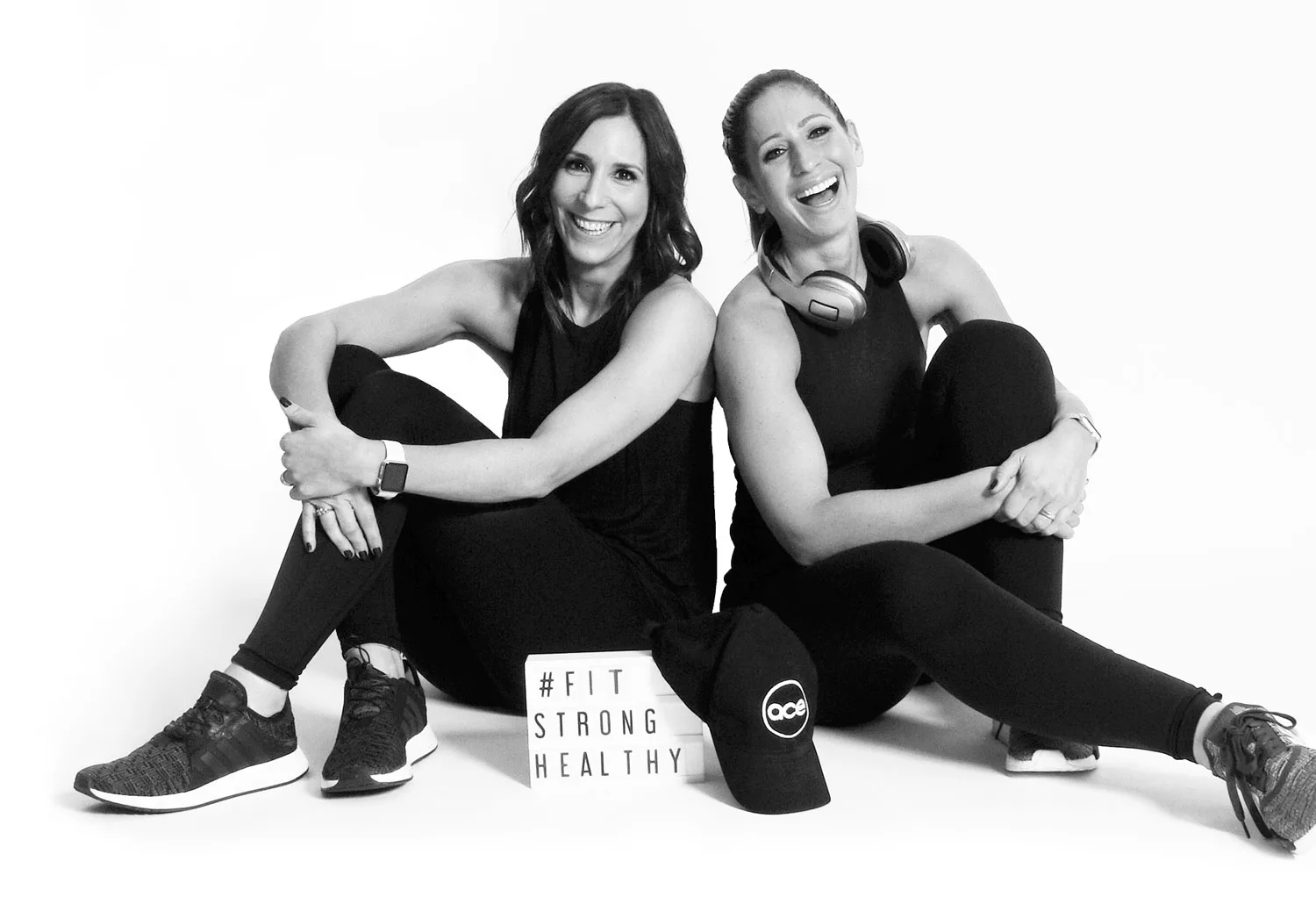
By Anna & Charlotte · MNU-Certified Nutritionists · Level 3 Personal Trainers
Published 19 July 2026
TL;DR
If you're over 40 and you've spent years doing cardio and eating less, strength training is the thing you've been missing, and it matters more now than it ever did. From your 40s you lose muscle and bone every year unless you actively work to keep them, and that loss is what drives the slower metabolism, the aches, and the softer, weaker feeling women blame on age. Lifting weights two or three times a week rebuilds both. It won't make you bulky, it protects your bones through peri-menopause and beyond, and you can start at home with a pair of dumbbells. Anna and Charlotte coach women over 40 through exactly this, in NW London and online, with a strength programme built around a 40-something body rather than a 25-year-old's. Here's why it matters and how to begin.
Key takeaways
- From your 40s you lose muscle and bone every year unless you train to keep them. That loss, not age itself, is behind the slower metabolism and the aches
- Strength training two or three times a week is the single most useful thing a woman over 40 can do for her body and the next thirty years of it
- Lifting weights will not make you bulky. Women don't have the hormones for it. It makes you stronger, leaner and far harder to injure
- It protects bone density through peri-menopause and menopause, when falling oestrogen puts your bones at real risk. This is longevity work, not vanity
- You don't need a fancy gym. A pair of adjustable dumbbells, a bit of floor space and a sensible progression will get you a long way at home
- aceSTRONG is Anna and Charlotte's strength programme for women 40+, hormone-aware and built for your body, £35.99 once for lifetime access, trainable in NW London or from home anywhere
For most of your adult life, the advice was simple: do more cardio, eat a bit less, and the weight would come off.
And for a while it did. Then you hit your 40s, kept doing the same things, and your body stopped playing along. The runs got harder and did less. Eating less just left you tired and hungry. You started to feel softer and weaker even though you weren't doing anything differently. Most women put that down to age and assume it's just how it goes now.
It isn't. The advice was never built for the body you have now, and there's one thing it left out entirely: strength.
Why does strength training matter more after 40?
Because from your 40s, your body starts letting go of the two things that keep you strong: muscle and bone. And it doesn't give them back unless you ask for them.
Every year past 40, you lose a little muscle and a little bone density unless you actively train to hold onto them. That quiet, invisible loss is behind a lot of what women blame on age. The metabolism that's slowed down? That's largely lost muscle, because muscle is what burns energy at rest. The aches, the weaker feeling, the worry about falls later on? Bone and muscle again. Cardio doesn't touch any of it. Eating less makes it worse, because you lose muscle faster when you're underfed. Strength training is the only thing that reverses it.
After 40, muscle and bone are on their way out unless you train for them. Strength work is how you keep them. That's not vanity, it's the next thirty years.
Then there's the hormonal piece, which women over 40 feel keenly. As oestrogen falls through peri-menopause and menopause, your bones lose their protection and thin faster, which is why women are so much more prone to fractures later in life. Lifting weights is one of the few things proven to push back against that, signalling your bones to hold their density. We go deeper on the hormonal side in what you can actually control about perimenopause weight gain. Training with your changing body instead of against it starts with getting strong.
Won't lifting weights make me bulky?
No, and this is the myth that's kept a generation of women stuck on the treadmill.
To build big, bulky muscle you need a lot of testosterone, and women simply don't have it. What strength training actually gives you is the lean, defined, capable look most women are really after, plus the strength to carry the shopping, get off the floor, and pick up a grandchild without a second thought. The women you see who look "toned" aren't doing endless cardio. They're lifting. Being strong and being smaller are not the same goal, and strong is the one that lasts.
Where do I start with strength training?
With the basics, done properly, a little heavier over time. That last part is the whole secret.
You don't need a complicated programme or fifty different exercises. You need a handful of movements that work your whole body, core and legs and back and arms, and a plan that gradually asks a bit more of you as you get stronger. That gradual increase, lifting slightly heavier or doing a little more than last time, is called progressive overload, and it's the difference between going through the motions and actually getting stronger. Start lighter than you think, get the movements right, and build from there.
If you don't know where to begin, start with the core and the big basics rather than chasing clever exercises. Getting genuinely strong through the middle makes everything else, and everyday life, easier.
Can I do this at home, or do I need a gym in NW London?
You can do it at home, and most of the women we coach do exactly that.
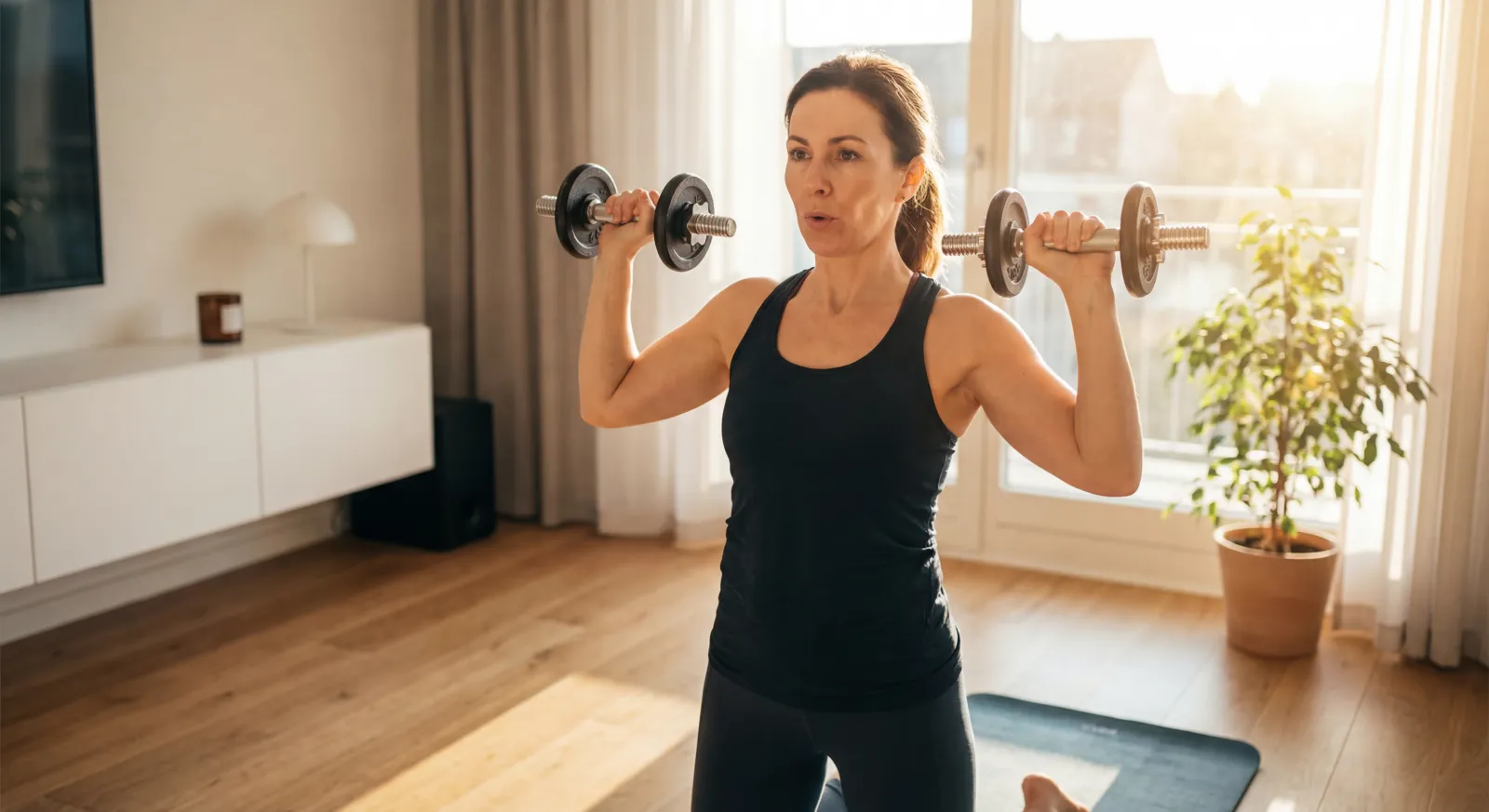
A pair of adjustable dumbbells and a corner of the living room is enough to train properly for a long time. A gym is lovely if you enjoy it and want more kit, but it's the plan that gets results, not the postcode of the building. That said, if you're local to Hendon or anywhere in NW London and prefer training with a coach in person, that's there too. The point is that strength training bends around your life, at home or at a gym, whichever you'll actually keep doing.
How we coach this inside ace
This is the whole idea behind aceSTRONG, Anna and Charlotte's strength programme built specifically for women over 40. If you want to see how a week of it is put together, read how a strength and conditioning programme for women over 40 is structured.
It's follow-along strength workouts you can do at home with minimal equipment, built on progressive overload so you're genuinely getting stronger rather than just moving. There's hormone-aware nutrition to support it, weekly emails to keep you going, and a private community of women doing the same thing. Charlotte coaches around hormonal change and joint care, getting you strong without wrecking the rest of your week. Anna is the coach for anyone rebuilding after pregnancy or a long break, learning to trust their body again. They're MNU-certified nutritionists and qualified trainers who've spent more than ten years coaching women through their 40s, and it's £35.99 once for lifetime access, no monthly creep. You buy it, it's yours, you keep it.
Getting strong in your 40s isn't about chasing the body you had at 25. It's about building the one that carries you, comfortably and capably, through the next several decades.
Where to go next
If any of this landed, the next step is small.
Have a look at how aceSTRONG is put together, or if weight loss is more your focus and you want the fuller picture, the guide to body transformation for women 40+ covers how strength fits into it. Not ready to commit to anything? Come and meet the women in the free community first and see how we coach.
The best time to start was years ago. The second best time is this week.
Frequently asked
Is it too late to start strength training in your 40s or 50s?
Not even slightly. Your body responds to strength training at any age, and the research on women starting in their 50s, 60s and beyond is genuinely encouraging: they build muscle, they get stronger, their balance and bone density improve. The truth is the opposite of too late. Because you naturally lose muscle and bone from your 40s onwards, starting now is more valuable than it would have been at 25, not less. The best time was years ago. The second best time is this week.
How many times a week should a woman over 40 strength train?
Two or three sessions a week is the sweet spot for most women, and it's plenty. You do not need to be in a gym every day. Two or three properly structured strength workouts, where you're gradually asking a bit more of your muscles over time, will change how you look and feel far more than five rushed cardio sessions. Three 45-minute sessions a week is exactly what we build the aceSTRONG programme around, because it's enough to get real results and realistic enough to actually keep doing.
Will lifting weights make me bulky?
No. This is the myth that keeps women doing endless cardio and staying frustrated. Women don't have anything like the testosterone needed to build big, bulky muscle, and the lean, toned look most women are actually after is precisely what strength training produces. What you'll notice is clothes fitting better, more shape and definition, and feeling strong rather than smaller. The women who look 'toned' are, almost without exception, women who lift.
Do I need a gym to strength train, or can I do it at home?
You can absolutely do it at home, and most of the women we coach do. A pair of adjustable dumbbells and a corner of a room is enough to train properly for a long time, as long as the plan sensibly asks a little more of you as you get stronger. A gym gives you more equipment if you enjoy that, but it isn't the thing that gets results. The right progression is. aceSTRONG is built as follow-along workouts you can do at home in NW London or anywhere else, with minimal kit.